Shave and Groom like Actor Adam Scott
As an actor, husband and father, and facial hair enthusiast, Adam chooses Philips Norelco.
-
For you, and the people who care for you
Innovations that support your healthy lifestyle and wellbeing, and help your care providers confidently diagnose, treat and support you at every stage of your health, recovery and wellness.
Need to return something?
Return your product for free within 30 days from purchase
Professional healthcare
Explore our solutions
Our latest innovations
-
Philips One for Kids by Sonicare
The first step to better brushing -
Cardiology care across the patient journey
Integrated cardiovascular solutions that support definitive diagnostics, innovative procedures, and personalized patient management. -
Philips Avent Soothie Heart
The award-winning Soothie Heart is distributed in hospitals nationwide*. It is designed to fit comfortably around the natural contours of your baby’s face. -
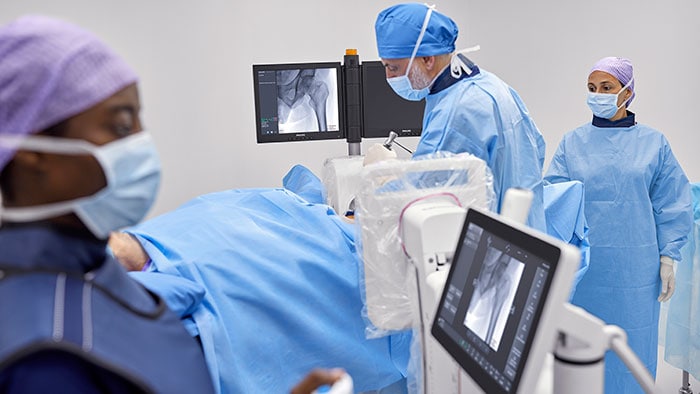
Precision and predictability in radiology
End-to-end solutions for high-quality imaging, purposeful treatment plans, and more predictable outcomes for patients.
We consider people's entire health journey
We innovate across the health continuum, playing a pivotal role in the digital revolution that is transforming healthcare and how people manage their own health.
Current offers
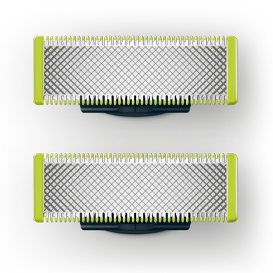
Save 20% vs MSRP on OneBlade subscription products
Latest news


Sign up & Save 15% off your next order!