
The encouraging reality is that much of this burden can be prevented. Up to 80% of strokes are linked to modifiable risk factors. [2] Earlier prevention, faster diagnosis and timely treatment can dramatically improve outcomes. Proven treatments such as intravenous thrombolysis and mechanical thrombectomy can dramatically improve outcomes, but they must be quickly delivered. In many cases, thrombolysis is used within 4.5 hours of symptom onset, while selected patients may benefit from thrombectomy up to 24 hours after onset. [3]
Even with these advances, major gaps remain. Too many patients still miss the narrow treatment window because of delayed recognition, fragmented care pathways or limited access to specialized stroke services. Up to 40% of patients arrive too late to receive basic stroke treatment. [4] Fewer than 5% get adequate treatment, and access to mechanical thrombectomy remains extremely limited in many parts of the world. [5] In low- and middle-income countries, access can fall below 1%. [6] Shortages of qualified staff, lack of 24/7 stroke centers, fragmented referral pathways and uneven public awareness all contribute to these missed opportunities.
This is where innovation can make a real difference. Technology, when combined with clinical expertise and connected care pathways, has the potential to transform stroke care across the entire patient journey:
The future of stroke care is not just about better technology. It is about building systems of care that are faster, smarter, more connected and more human-centered — helping more patients survive, recover and regain independence.
To improve stroke outcomes at scale, we need to think beyond isolated interventions. Stroke care should be viewed as a connected journey that begins with prevention, moves through emergency treatment and continues into recovery and long-term monitoring. The future of stroke care should be faster, more connected, more patient-centered and accessible to more people.
Prevention must come first.
The best stroke is the one that never happens. Prevention remains our greatest opportunity for impact. Around 80% of the current stroke burden is linked to 10 modifiable risk factors. [7] High blood pressure alone is the biggest contributor, followed by factors such as smoking and high cholesterol. [8] Stronger primary prevention at the community and individual levels could cut the overall burden of stroke in half. [9] This means we need better risk detection, better follow-up and better patient engagement. It also means bringing prevention closer to where people live. Community-based screening, digital health tools, and connected monitoring can help identify risk earlier and support timely intervention before an acute event occurs.
Acute treatment must be faster and more connected.
When stroke does occur, speed and coordination are everything. Acute stroke treatment depends on rapid assessment, accurate imaging and fast decisions about where the patient should go and what treatment is appropriate. This is where technology is already changing what’s possible.
AI-supported triage and diagnostic tools can help care teams identify suspected stroke earlier and route patients to the right hospital faster. One study cited in the attached material noted that AI technology reduced initially undetected stroke by 20%, helping increase the number of patients eligible for mechanical thrombectomy. [10] That kind of improvement matters because every avoided delay can preserve brain tissue and improve recovery.
Imaging also plays a central role. High-quality CT imaging, streamlined workflows and faster image interpretation can shorten the time from arrival to diagnosis. Cloud-based platforms can help share scans and patient information across teams, which is critical when specialists are not on site. In some settings, telehealth can enable remote stroke experts to support clinicians in emergency departments, extending expertise beyond major urban centers.
This is how we begin to address access to care in stroke. Not every hospital can be a comprehensive stroke center, but every patient should have a fair chance to benefit from timely expertise and coordinated decision-making.
Secondary prevention deserves more attention.
Stroke care doesn’t end when a patient leaves the acute setting. In fact, secondary prevention is one of the most important and underused parts of the pathway. One in four stroke patients will have another stroke within five years. [11] Reducing that risk requires understanding the cause of the first event and acting on it.
For many patients, atrial fibrillation is a key factor. AFib can be intermittent and easy to miss, yet it significantly raises stroke risk. [12] This makes monitoring essential, especially after cryptogenic or unexplained stroke. Wearable technologies and ambulatory cardiac monitoring can play a valuable role here by detecting irregular heart rhythms over time, outside the walls of the hospital. This is a powerful example of how chronic monitoring can support secondary prevention. Instead of relying only on short snapshots in clinical settings, we can gather more complete data in the patient’s daily life. That enables more informed decisions about treatment, anticoagulation and long-term management.
Care should be more patient-centered and closer to home.
Stroke care should be built around the patient, not around institutional silos. That means addressing not just acute survival, but also recovery, quality of life, rehabilitation and long-term support. Effective rehabilitation starts early, often within 24 hours, and continues across inpatient, outpatient and community-based settings.
The shift toward home- and community-based care is especially important as the number of stroke survivors grows. Patients often need follow-up for mobility, speech, cognition, mental health and cardiovascular risk. Remote monitoring, tele-rehabilitation and virtual care models can help extend support after discharge, reduce unnecessary readmissions and keep patients connected to their care teams.
This isn’t simply a question of convenience. It’s a question of access, dignity and outcomes. Patients recover better when care is coordinated and responsive to their real lives.
Better teamwork will improve outcomes.
Stroke management requires a large multidisciplinary team. Caregivers, first responders, emergency physicians, nurses, radiologists, neurologists, interventional specialists, rehabilitation teams and primary care clinicians all have a role to play. Yet too often, these teams work with incomplete information or disconnected systems.
Stronger communication and better integration can improve outcomes across the pathway. [13] Shared data platforms, stroke networks and clearer referral systems can reduce delays, improve handoffs [14] and help each professional act with more confidence. This is especially important in regional networks where patients may move between facilities for imaging, intervention, rehabilitation and follow-up.
Innovation should support collaboration, not complicate it. The best technology reduces friction and helps teams focus on patients.
AI will shape the next phase of stroke care.
AI has immediate value in stroke triage and imaging, but its longer-term potential may be even greater. As more data becomes available across the care pathway, AI may help identify patients at high risk of stroke, predict deterioration, support personalized treatment plans and guide resource allocation across health systems.
Predictive analytics could help flag patients who need closer monitoring. Personalized algorithms may support better decisions around rehabilitation intensity, recurrent stroke risk or treatment selection. The goal is not to replace clinical judgment – it’s to strengthen it with insights that are faster, broader and more actionable.
For AI to fulfill that promise, however, it must be responsibly integrated. It needs trusted data, thoughtful design and workflows that support clinicians rather than overwhelm them. Most of all, it must serve the patient.
Stroke care is at a turning point. We know more than ever about how to prevent stroke, treat it quickly and reduce the risk of recurrence. Yet too many patients still face delays, limited access and fragmented care pathways. That is why innovation matters. From AI and advanced imaging to connected data, telehealth and wearable monitoring, technology can help clinicians move faster, coordinate better and extend care beyond the hospital into communities and homes.
Improving stroke outcomes will require stronger prevention, faster acute care and better secondary prevention — all built around the needs of patients. By combining clinical expertise with meaningful innovation and collaboration, we have an opportunity to improve outcomes and quality of life for millions of people worldwide.
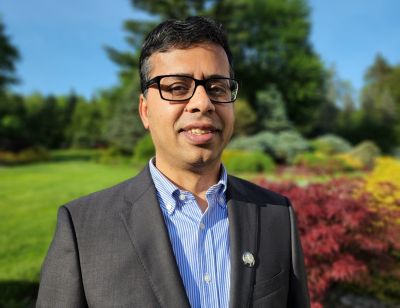
Dr. Gandhi has held influential roles in hospital management, including the CATH lab and the heart and vascular center service line. His strategic efforts at MetroHealth in Cleveland focused on community health, underserved populations, and innovative solutions like micro-hospitals...