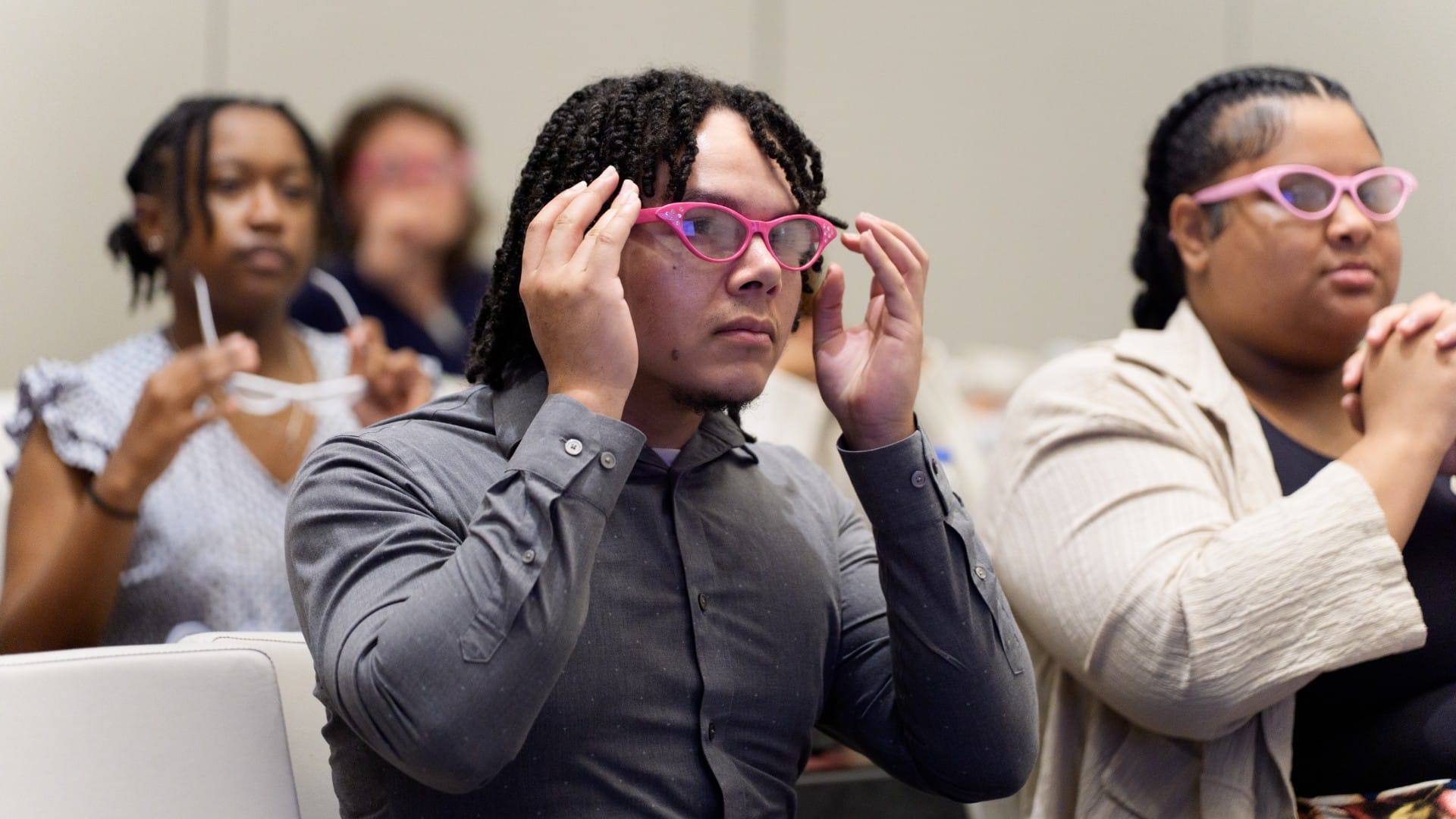
For clinicians across Mississippi, the lights, sounds and touch of a Neonatal Intensive Care Unit (NICU) suddenly feel different: brighter, louder, more intense. Through Philips’ Preemie for a Day program, NICU professionals at the Mississippi Perinatal Quality Collaborative (MSPQC) Conference stepped into an immersive simulation designed to help them experience care from the perspective of a premature infant and take that perspective back to their own units. Preemie for a Day aims to help NICU improve developmental care practices, rooted in the Neonatal Integrative Developmental Care Model. The interactive half-day sessions can engage up to 40 clinicians at a time, creating hands-on learning at scale while preserving the empathy-building experience at the heart of the program. At the Mississippi Perinatal Quality Collaborative Conference hosted in Jackson, Mississippi, clinicians representing 47 hospitals and healthcare organizations across Mississippi took part in the class. Together, they explored how routine interactions — from noise and lighting to positioning, feeding and family involvement — can shape the earliest moments of a preterm infant’s life.
I got the opportunity to see what it was like to be a baby in the NICU. It’s kind of eye opening to see what they go through.
Hannah Sheridan, Registered Nurse and Program Manager, Mississippi Public Health Institute
This experience is rooted in a simple but powerful idea: by changing perspective, we can change care.
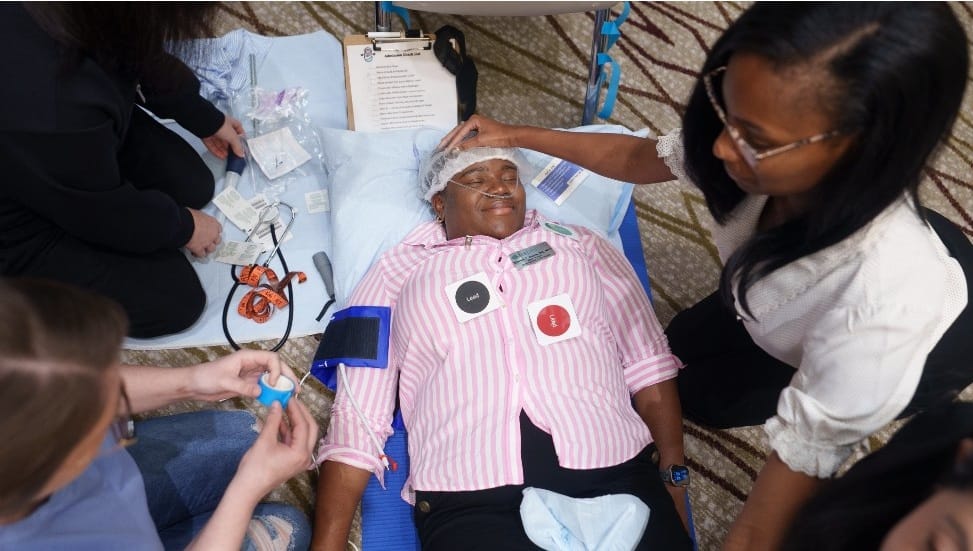
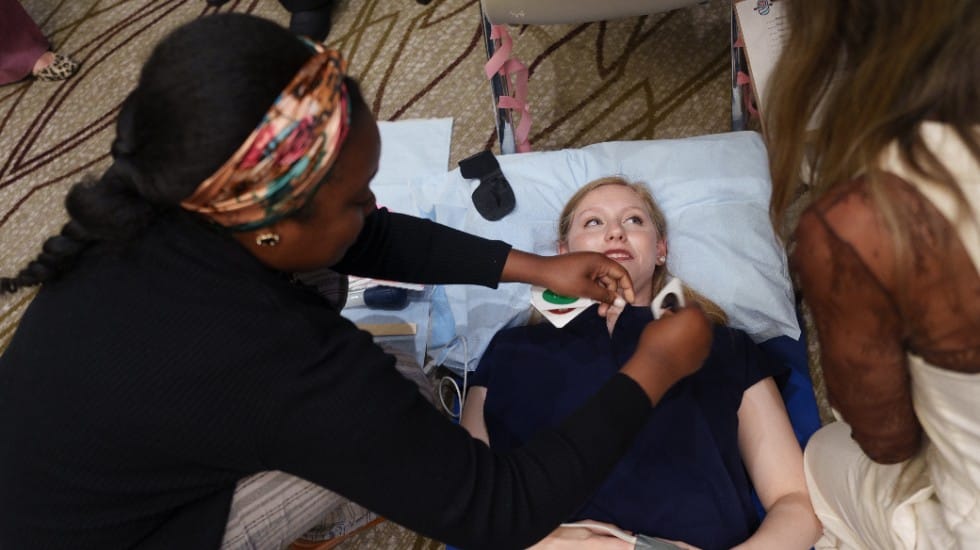
The Challenge: Why This Matters in Mississippi
Mississippi faces one of the most urgent maternal and infant health challenges in the United States. In 2025, the Mississippi State Department of Health (MSDH) declared a public health emergency in response to rising infant mortality rates across the state. Mississippi’s infant mortality rate is now at its highest level in more than a decade, with premature birth and low birth weight among the leading causes.1 These challenges are compounded by deep disparities, including Black infants being more than twice as likely to die as white infants, and by limited access to care in many communities. Proposed strategies to reduce infant mortality across the state include expanding community health worker programs - an area where Philips is partnering with the Mississippi Public Health Institute to support change. For NICU clinicians, the reality of infant mortality underscores the importance of advanced medical care, and importantly, how that care is delivered. Every detail of the sensory environment in the NICU plays a critical role in supporting – or harming – fragile, developing systems during a vital period of growth. Gentler touch, lower lights and quieter noise levels can all have positive effects that last a lifetime. Preemie for a Day aims to address this need for stimulation-sensitive care by translating evidence-based developmental concepts into practical, everyday actions, helping clinicians better understand how their everyday actions can affect the babies and families they care for.
In Mississippi, we’re facing some of the most complex maternal and infant health challenges in the country. Addressing infant mortality requires strong collaboration across public health, healthcare providers, communities and partners. We’re grateful for partners like Philips that are helping to bring practical, evidence-based education to clinicians, because improving outcomes depends not only on access to care, but also how that care is delivered.
Monica Stinson, Senior Program Manager, Mississippi Public Health Institute
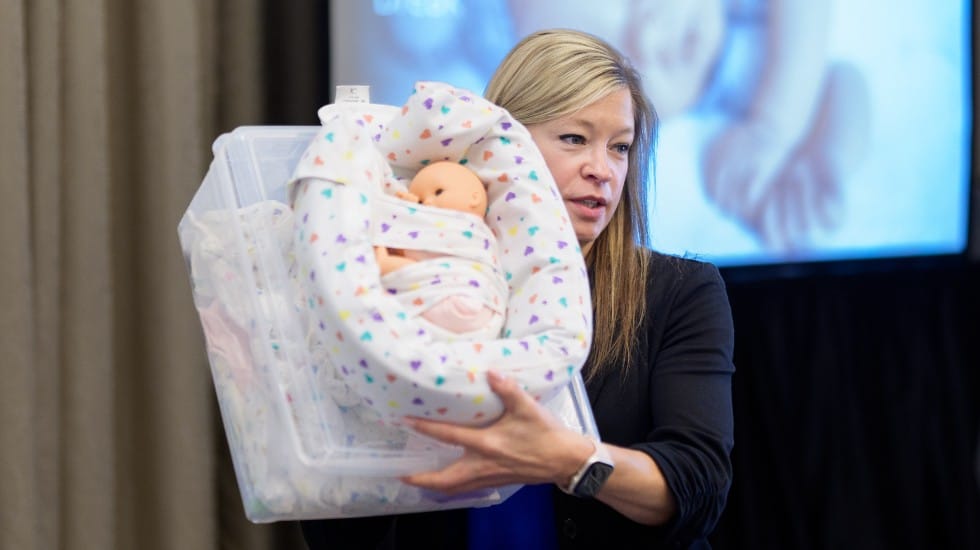
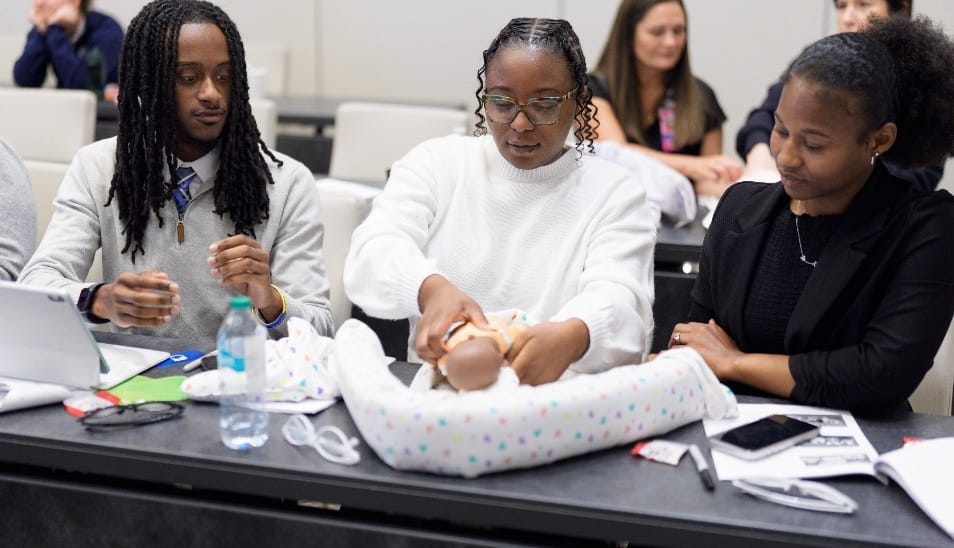
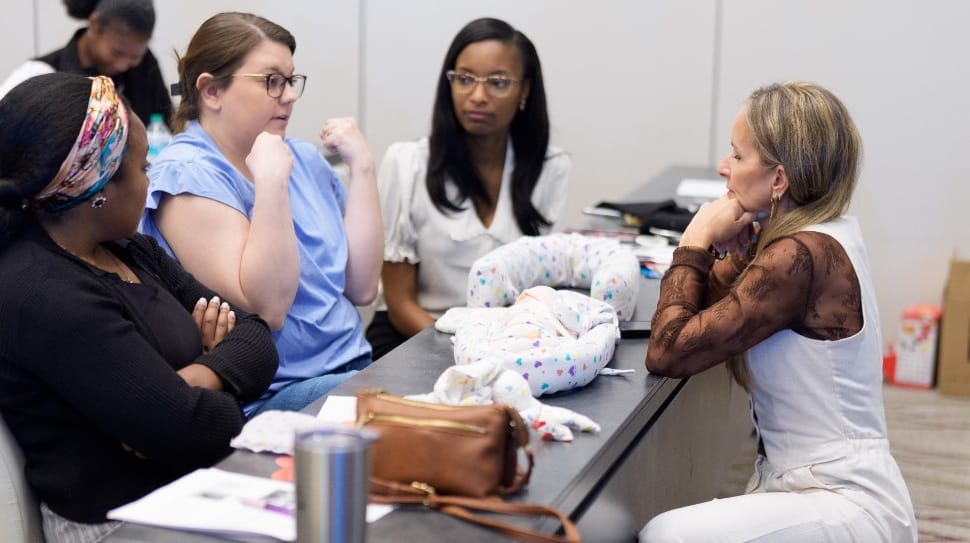
The Impact: Small Changes, Big Difference
The class lasts only a few hours, but its goal is to influence care long after participants leave the classroom. Through interactive workstations and guided simulation, participants experienced a preemie’s journey from birth through NICU admission, gaining insight into care at each stage. By simulating the sensory and physical realities of prematurity, Preemie for a Day helps clinicians identify small, meaningful adjustments they can make in their daily practice, such as reducing environmental stressors, supporting sleep, optimal positioning and incorporating enhanced family-centered care. These changes may seem subtle, but they can have a profound influence on an infant’s development and, ultimately, their entire life. Research shows that early sensory experiences directly shape brain development in premature infants, making the NICU environment and caregiving practices critical to long-term outcomes.2 Education, empathy and collaboration are crucial to delivering the best possible care. The program is grounded in the Neonatal Integrative Developmental Care Model, which emphasizes neuroprotective, family-centered practices that support brain development during a critical period of growth and can have long-term outcomes.
It’s a huge change for some people who've been practicing for 25 or 30 years; the paradigm has shifted. The things that we've learned in this class with safe sleep and developmental positioning and neuroprotective practices will definitely improve outcomes, decrease lengths of stay and hopefully decrease our infant mortality rates. All of the research-based evidence is really, really important for us in the NICU and with the providers.
Kim Sheffield, NNP-BC, Neonatal Nurse Practitioner and Neonatal Clinical Coordinator, Mississippi Perinatal Quality Collaborative (MSPQC)
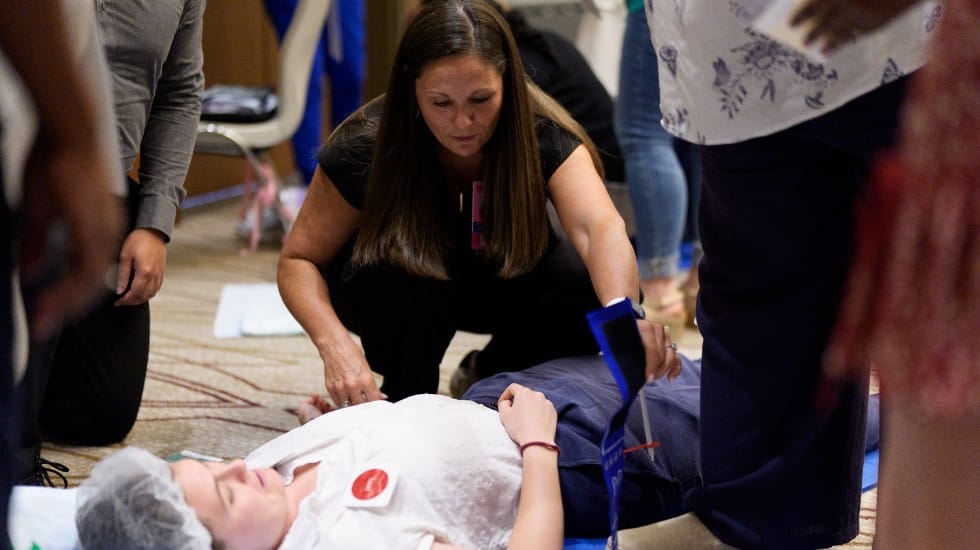
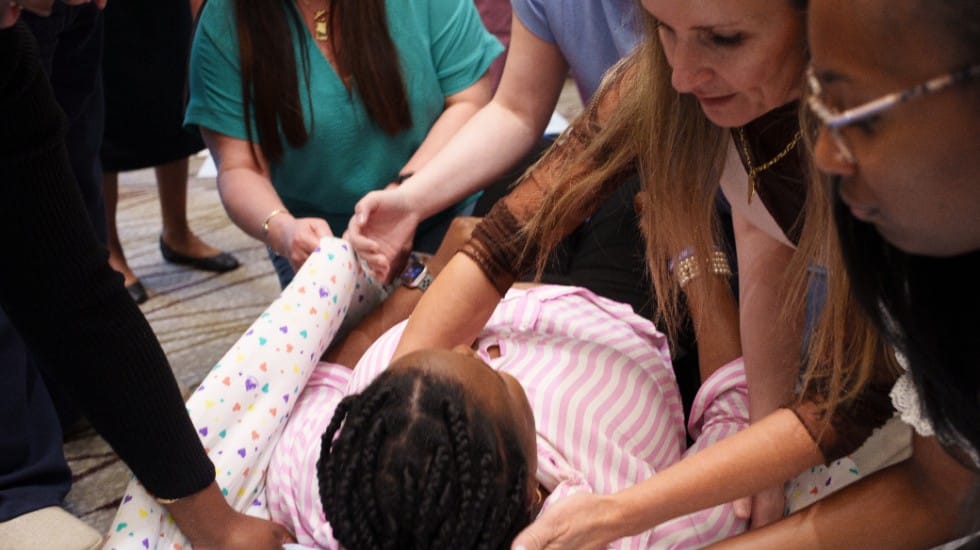
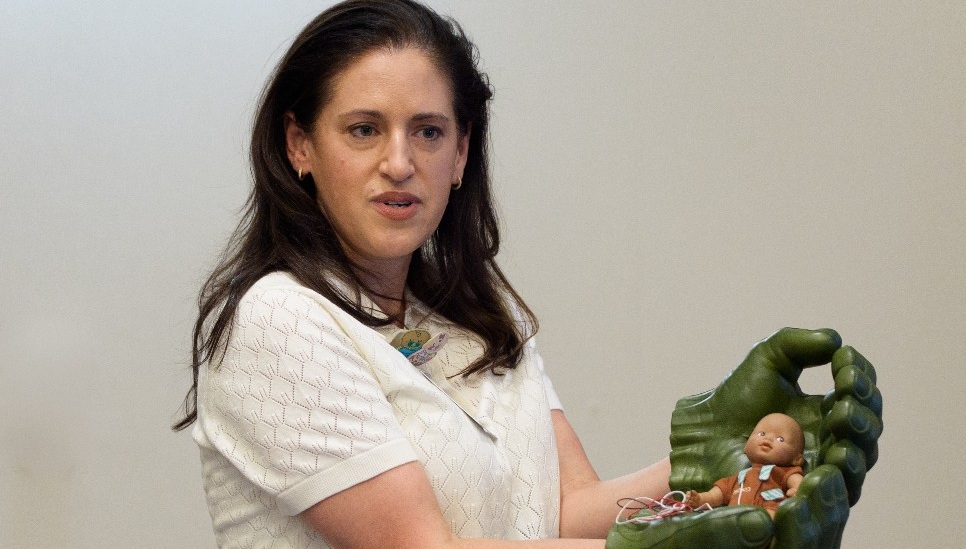
Participants leave the session with more than facts and figures: They walk away with a renewed sense of empathy, intention and practical steps they can bring back to their NICUs and care teams across Mississippi.
Partnerships and Scale
Addressing infant mortality and complex health disparities requires more than technology alone. Bringing Preemie for a Day to MSPQC connected Philips, clinical educators, communities and state and local partners around a shared goal: helping NICU teams improve developmental care practices across Mississippi. With the help of the Mississippi Perinatal Quality Collaborative Conference, clinicians from hospitals and healthcare organizations across the state were able to participate together, meaning the learnings can reach beyond just one classroom or one unit. This new information can be shared across teams, institutions and communities, helping create a stronger foundation for developmental care statewide.
We have really enjoyed partnering with the Mississippi Perinatal Quality Collaborative to determine what we can do together to really support the state of Mississippi in this health emergency. I'm hopeful that our class inspired and motivated them to start making changes in their NICU, because it’s about grassroots change.
Suzanne Nugent, RN, BSN, Preemie for a Day Facilitator and Clinical Adoption Consultant, Philips
Looking Ahead
Preemie for a Day shows how immersive learning can bridge the gap between clinical knowledge and human understanding. By shifting clinicians’ perspectives, the program helps clinicians connect evidence-based practices to the lived experience of some of our most vulnerable patients.
Improving neonatal outcomes requires strong collaboration across clinicians, public health leaders and communities. By working together, we can scale education and support the small, evidence-based changes that make a lasting difference for families.
Kristine Mullen, Head of North America Strategy and Growth, Philips
References: 1. Mississippi State Department of Health (MSDH). Mississippi Infant Mortality Report, 2025 2. Altimier, L., & Phillips, R. (2013). The Neonatal Integrative Developmental Care Model