Philips AI technology helps predict the health of PSV football team
Jan 16, 2026 | 3 minute read
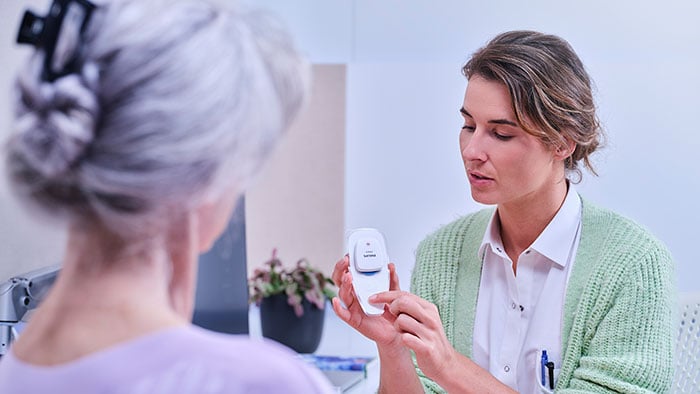
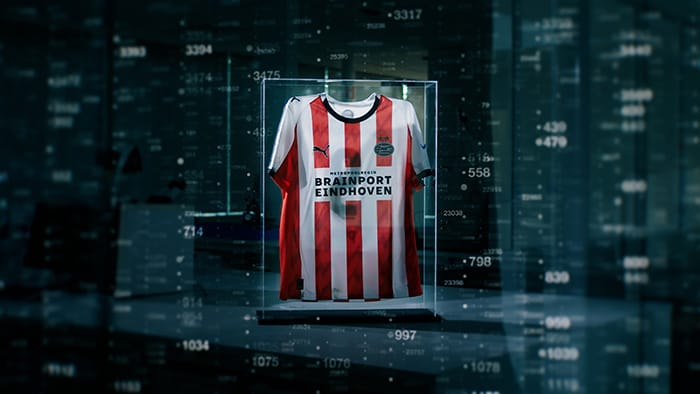
PSV is the first sports team in the world to use advanced AI technology from Philips to predict upcoming overload or infections. The innovation being tested at PSV by the global health technology company is based on a Philips-developed and patented algorithm (the RATE algorithm) that can recognize early signals of (upper) respiratory infections using data from wearables. Historically data in sports focuses on what has already happened with this technology the medical staff can focus on what is going to happen and keep players on peak performance.

“What we are doing at PSV is a concrete example of how AI is moving from being reactive to predictive health insights,” says Roy Jakobs, CEO of Royal Philips. “By detecting subtle changes in the body at an early stage, we may be able to anticipate overload and illness. This is relevant for elite sports and has clear potential for application in other areas, including healthcare. We are already applying similar algorithms in in our monitoring solutions in hospitals, where they help identify patient deterioration earlier and can potentially prevent ICU admissions. This collaboration with PSV enables us to further develop the technology that has been extensively tested and ultimately make better care for more people possible on a larger scale.”
This collaboration with PSV enables us to further develop the technology that has been extensively tested and ultimately make better care for more people possible on a larger scale.
Infections often occur before symptoms appear
Philips and PSV are now applying this technology for the first time in an elite sports environment to investigate how AI can help improve performance, prevent injuries and infections, and optimize recovery. Viruses spread in elite sports environments faster than many people realize. Infections often occur before symptoms appear: an estimated 40 to 45 percent of COVID-19 transmissions occur in this early, asymptomatic phase, and with influenza, contagiousness usually begins one to two days before the first symptoms. In sports teams, infections can therefore spread rapidly without being noticed.
“In elite sports, it’s all about the details,” says Wart van Zoest, club doctor at PSV. “We hope to see that Philips’ technology detects small changes in the body that often precede overload or an emerging infection. This would allow us to intervene sooner, for example by adjusting training load or performing a medical check earlier. AI helps us recognize these signals earlier in the data from players’ wearables. I see these developments not only in elite sports but increasingly in hospitals as well.”

About the RATE Algorithm
Rapid Analysis of Threat Exposure (RATE) is an early detector of presymptomatic infections in humans. It is part of broader efforts to map health changes at an earlier stage and has wide-ranging applications in healthcare. The algorithm was developed as an early warning system that can reduce individual downtime and help quickly contain the spread of disease by enabling exposed individuals to self-isolate earlier or seek medical care sooner.
The first version of the RATE algorithm, developed in 2019, used large-scale data science, machine learning, and trade-space analyses across demographics and 163 different biomarkers (vital signs and laboratory measurements) from a rich Philips data set of over 36,000 cases of hospital-acquired infections to develop a risk score. The risk score worked for multiple general types of infection, including common respiratory infections like pneumococcal pneumonia. These results were published in a 2023 study in Frontiers in Medicine.
A wearable version of the algorithm, prompted by the COVID-19 pandemic, leveraged biometric data from commercial-off-the-shelf wearables to enable early detection of infection. A 2022 study published in Nature’s Scientific Reports showed how, in a cohort of 9,381 DoD personnel, the algorithm was able to detect COVID-19 infection on average 2.3 days before a positive test and up to six days prior. The study highlighted the utilization of algorithm-powered wearables to aid military readiness.



Media contacts

Contact informatie Contact informatie

You are about to visit a Philips global content page
Continue