5 min. read time We all love seeing the highlight reel of new motherhood: the sweet photos of a swaddled baby on a mom’s chest, the smiling selfies, the beautifully curated nursery shots on Instagram. But we rarely get to see the other side of bringing home baby. While it’s a time full of love, it can also be one of the most physically and emotionally vulnerable times in a parent’s life. The fourth trimester, the first three months after birth, is often a forgotten stage of parenthood. From my experience, this trimester is the hardest for people to comprehend if they haven’t been through it themselves. In fact, according to a recent survey from Philips Avent & March of Dimes, only 31% of people report a thorough understanding of postpartum health issues. The good news is that those who do understand are 2.5x more likely to step in and help, proving that awareness alone can change the way we share the care for the moms we know and love.
So, why does offering help feel so tricky? We all want to help the new moms in our lives, but it is hard to know what to offer and how to do so without crossing a boundary or adding more to her plate. No one wants to show up at the wrong time, stay too long, or ask for instructions when she’s already exhausted. So instead, we back off. Before I became a mom, I was guilty of sending one-of the “Let me know if you need anything” texts and waiting for direction that rarely came. Once I became a mother myself, I discovered the honest truth that many moms don’t know how to ask for help or feel uncomfortable doing so. It’s not because they don’t need help, but because it feels complicated to ask for what they truly need without feeling like a burden themselves. The survey found that two out of three parents say they need the most help during these first three months, yet more than 60% of moms say it’s hard to express their support needs. What’s more, 17% of Moms with a child under four have not received any support outside of their spouse or partner. Here’s how we can show up for moms and share the care:
Stop asking, “What can I do?” and send this instead. One of the most powerful ways I’ve found to help is by taking the guesswork out of the offer. I send a simple, loving message that gives her clear options and control, without putting the mental load on her shoulders. I’ve turned this text into a template that I now send to every friend and loved one who is in their fourth trimester. This is what it looks like: Good morning, love! I am yours from 12 pm to 3 pm tomorrow, so please let me know how you would like to use me. Here are some options: 1) I come while you hang with the baby and I do laundry, bottlescooking, buy and put away groceries. 2)I come and take care of the baby while you sleep in your room alone, or you go do something by yourself, or you guys go out to lunch, the two of you, without the baby. 3) I come and take you out to lunch with or without the baby. We sit on the couch and just chat or watch a funny movie with the baby. You can decide whenever you want, just let me know! When I first shared this message, it really struck a chord because it addressed two significant challenges that moms often face: understanding what they actually need and overcoming the guilt they often feel for asking for it. According to the survey, mental health and self-care are the top needs for moms, despite 8 in 10 getting less than an hour of personal time per day. This text allows the postpartum mom in your life to open up and ask for some well-deserved TLC. Small, simple gestures go further than you think. If your schedule doesn’t allow for a full day of babysitting, that’s okay! During the fourth trimester, any gesture is considered a grand one. Drop off coffee or a snack on your way over. Fold a basket of laundry without asking where things go. Empty the dishwasher. Take the dog for a quick walk. Sit with her while she feeds the baby, so she has company. These small, thoughtful actions can feel life-changing when she’s tired and running on fumes. Remember, you don’t have to fix everything; you just have to show up. Continue to show up long after the first weeks of birth. The survey reveals that support often wanes after the first few months, precisely when parents are still sleep-deprived and struggling to find their footing. Parenting doesn’t magically get easier at six weeks or six months, so don’t let your share of the care stop after the first round of visits and meals. It takes a village. Keep checking in. And as mom begins to feel more acclimated and the baby starts settling into life outside the womb, one of the most meaningful ways you can help is by taking over a feed. The Philips Avent Natural bottle makes feeding easy with its breast-shaped nipple and Natural Response design that only releases milk when the baby is actively drinking. Once mom is comfortable, stepping in for a feeding can give her the rare gift of a nap, a shower, or a quiet moment to recharge. Becoming a parent is beautiful, but t’s also demanding in ways most people don’t see. Luckily, they have you as a part of their village, ready to show up, be present and share the care.
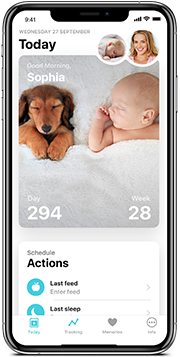
Get the app that supports you in tracking your baby’s development and allows you to save those special moments forever.



Want free, personalized advice and 15% off delivered straight to your inbox?
You are now exiting the Philips United States (US) site and entering the Philips global site. This content is intended for a global audience. It may not apply to the US and should not be interpreted as meeting US standards, executive orders or regulations.
ContinueWe accept the following payment methods:



Select country/region
United States (English)